Historical Antecedents
The first Lutherans in Texas, who generally settled in the Texas Hill Country, were served by missionaries from the St Chrischona Seminary outside of Basel, Switzerland. They provided pastoral guidance to the immigrants and established the first Lutheran churches in the state, which generally associated with the Texas Synod, which itself was related to the General Synod established by Lutheran patriarch Heinrich Melchior Muhlenberg in the eighteenth century.

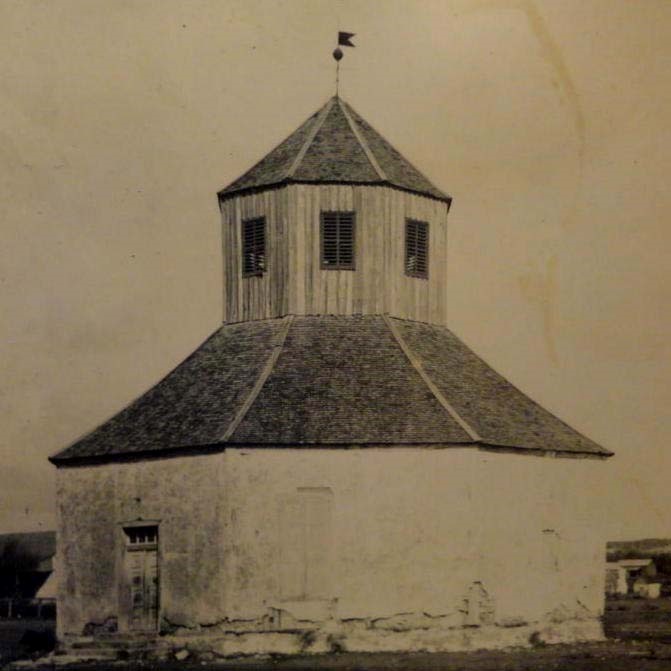
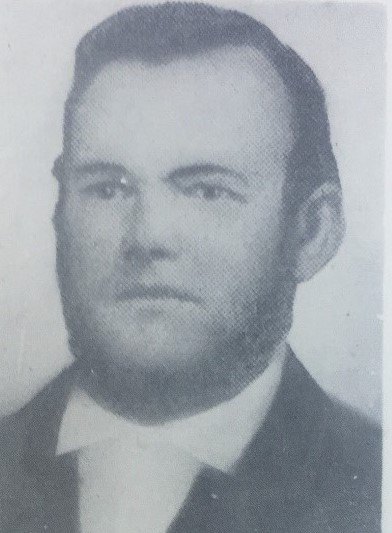
Rev. Caspar Braun, an 1847 St Chrischona graduate, who had been sent to Texas after a term in Pennsylvania, assisted other pastors in founding the First Evangelical Lutheran Synod of Texas in Houston in 1851. A physician and teacher as well, he was sympathetic to the Lutheran Church-Missouri Synod. The Texas Synod early adopted the General Synod’s liturgy and the 1849 Deutsches Gesangbuch für die Evangelisch-Lutherische Kirche in den Vereinigten Staaten, known informally as the “Wollenweber Gesangbuch.” Singing was important to these early Lutherans!
The St Chrischona Seminary likely sent a small chamber organ with the earliest missionaries as an aid to worship and singing. This ancient little instrument still exists, and was only discovered and rescued in 1958, when Texas organbuilder Rubin Frels discovered it in an old railroad depot in the city of Raisin, Texas. The organ, which was likely already vintage by the time it arrived in Texas, is primitive, but also portable.

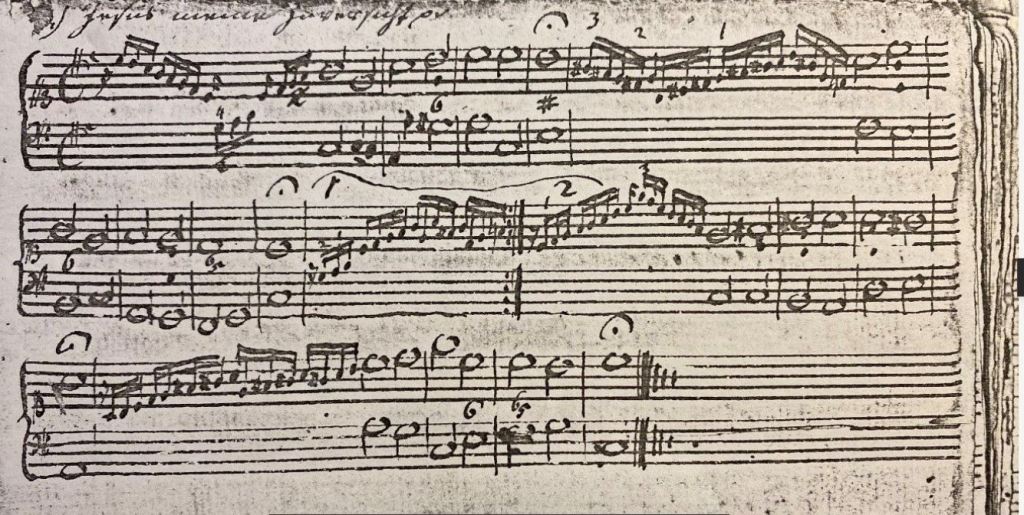
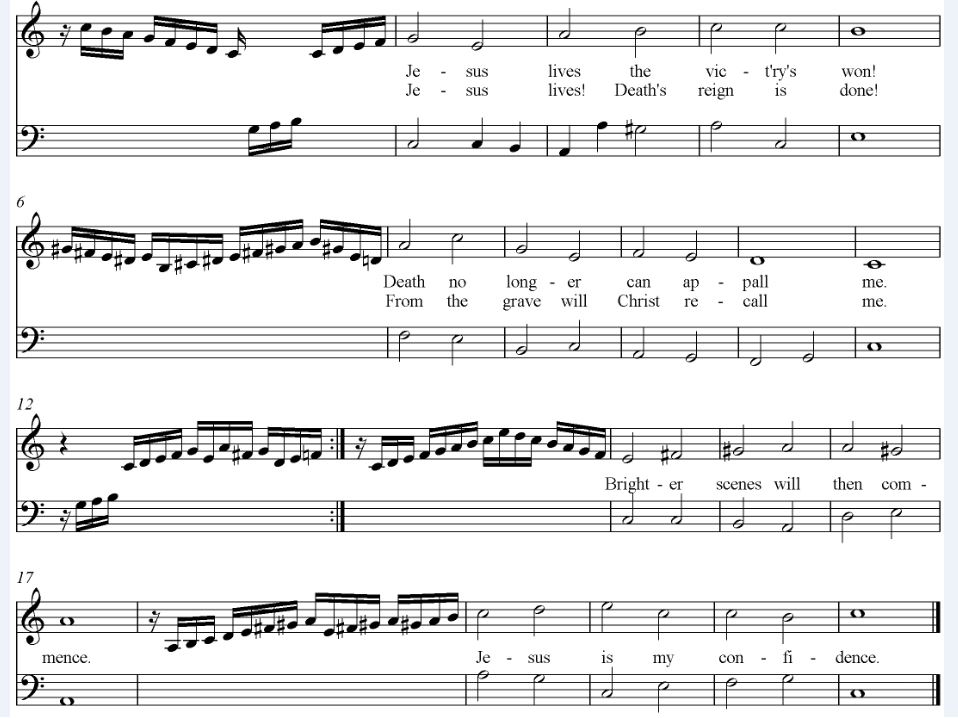
The first organs built in Texas come from the workshop of Johann Traugott Wandke, a German immigrant who set up shop in the Texas Hill Country. He overcame many challenges to build some fine small pipe organs, utilizing native materials, but all built for the service of singing in the church. He also owned a Choralebuch which offers a glimpse as to how these Lutherans were accustomed to singing hymns.

 JoyfulSingingBook